Training Locations
Our Sites
Residents will gain clinical, research and educational expertise through The MetroHealth System and Case Western Reserve University School of Medicine as part of our Emergency Medicine Residency Program.
MetroHealth Medical Center
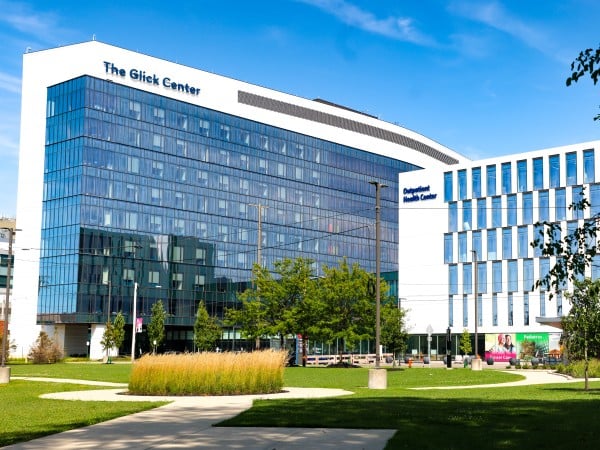
- The Trauma Program has been verified as a Level 1 Adult Trauma Center.
- The hospital has been verified as a Level 1 Burn Care Center from the American College of Surgeons/American Burn Association.
- Metro Life Flight has been operating since 1982, transporting more than 100,000 patients in that time. We currently operate 4 EC 145 helicopters and 2 full time ground ambulances.
- Metro Life Flight has two dedicated ground mobile ICU’s available for adult and pediatric critical care patient transfers.
- Multiple ICUs for neonates, adult-medical, pediatric, cardiac, surgical, trauma and burns.
- Certified by The Joint Commission as a Comprehensive Stroke Center, the first in Northeastern Ohio to earn the designation.
- Rehabilitation Center is one of 14 federally-designed model centers for the treatment of spinal cord injuries.
Department of Emergency Medicine highlights:
- Busiest Emergency Department in Northeast Ohio, treating more than 105,000 patients annually in a 96 bed ED with 14 bed observation unit (15 percent pediatric patients; 4 percent critical care patients)
- Emergency Department patients account for about 14 percent of all hospital admissions (with 21 percent of those patients admitted to intensive care units)
- Medical command/base station for Cleveland EMS
- Received a Safety Net Award from NAPH (National Association of Public Hospitals and Health Systems) for "Improving the Patient Experience"
Community Emergency Centers
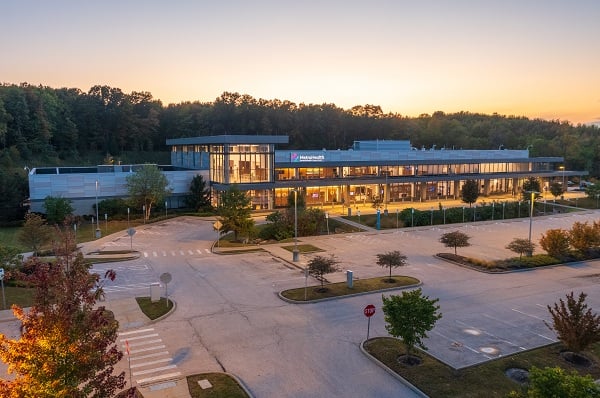
- Residents gain valuable clinical experience across MetroHealth’s community emergency centers, including Cleveland Heights, Parma, and Brecksville Emergency Departments. Training in these diverse clinical settings allows residents to care for patients with a broad range of medical and surgical conditions while developing the adaptability, efficiency, and clinical judgment essential to practicing Emergency Medicine. These experiences complement training at MetroHealth’s main campus by exposing residents to different patient populations, practice environments, and emergency care workflows. Residents also have opportunities to develop greater autonomy and strengthen their ability to deliver high-quality, patient-centered care in a community setting.
Case Western Reserve University School of Medicine
- Case Western is a recognized leader and innovator in medical education
- Residency Program is designed to train graduates in a combination of clinical and research skills
- Largest biomedical research institution in Ohio, measured by funding received from the National Institutes of Health
- All residency faculty hold academic appointments and are part of the teaching staff